The Power Elite, actually read
First questions
What is The Power Elite about?
C. Wright Mills' 1956 book argues that real decision power in postwar America had concentrated in three institutions: the large corporation, the military establishment, and the political executive. Their top circles overlap, and the people in them share backgrounds, circulate between posts, and coordinate more by common outlook than by conspiracy. Below them, Mills saw fragmented "middle levels" (including Congress) and a mass society of spectators. The argument pages walk it concept by concept.
Is The Power Elite a conspiracy theory?
Mills said no, emphatically, and the distinction is the book's sharpest edge. A conspiracy requires secret coordination. Mills described structural coordination instead: people of similar origin, schooling, and interest occupying command posts that interlock. Aligned decisions follow without anyone needing to plot. Critics still argue about whether he overstated the cohesion, but the mechanism he proposed is sociology, not smoke-filled rooms.
Why does a 1956 book keep coming back?
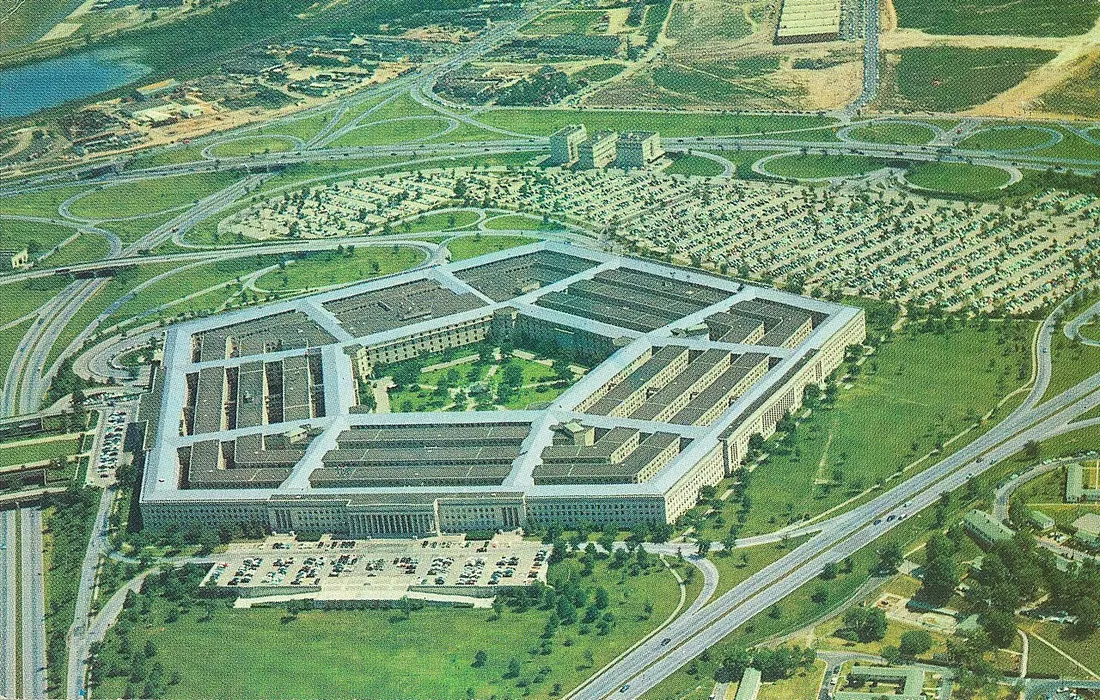
Because its vocabulary keeps fitting. Revolving doors still run between Pentagon, boardroom, and cabinet. Eisenhower named the "military-industrial complex" five years after Mills mapped it, and anxieties about wealth and political access keep coming back. Each era rediscovers the book, quarrels with parts of it, and keeps the phrase. Our reading-on page pairs it with the debates it started.